Is a Move Abroad Calling you?
Expore our resources and tools to help you make that dream a reality.
Slow Travel: The Art of the Stay
If you’ve been following my journey, you know that the Fall of 2024 was a massive turning point for me. My husband and I packed up our lives in the United States and headed for the sun-drenched, orange-scented streets of Valencia, Spain. It wasn't just a move. It was a soul-deep pivot toward a freer, healthier lifestyle I’d dreamed about for over three decades.
But here’s the thing I didn’t quite realize until I was actually standing in the middle of a bustling Spanish mercado. Moving is the easy part. The real magic happens when you stop visiting and start living. Lately, I’ve been thinking a lot about how this move has cracked my life wide open. And the rise of the slow travel movement demonstrates that others are eager for this experience, as well.
For me, slow travel isn't just about taking a train instead of a plane. It is a mindset shift. Slow Travel is an outgrowth of the movement that began in Italy in the 1980s as a protest against fast food. It is the radical idea that faster isn't always better. In fact, the philosophy of slow travel emphasizes the right speed. This means savoring the hours rather than just counting them.
Depth Over Distance: Redefining the Must-See
In my old life, travel was often a race against the clock. We had two weeks of vacation and a checklist of must-sees. We felt constant pressure to maximize every second. Now that I embrace a location independent lifestyle, the clock has stopped ticking so loudly. Like many others, we’re trading the whirlwind tours for medium-term stays where spending a month or more in one place changes everything.
When you commit to slow travel, you give yourself permission to do less. On a Tuesday in Valencia, my big win might be successfully navigating a conversation entirely in Spanish at the local bakery. It might be finally understanding the subtle etiquette of a neighborhood festival. This is cultural immersion in its purest form. It is not a highlight reel. It is a heartbeat. The Slow Travel Movement is characterized by reducing mobility and intimately knowing a place and its history and culture.
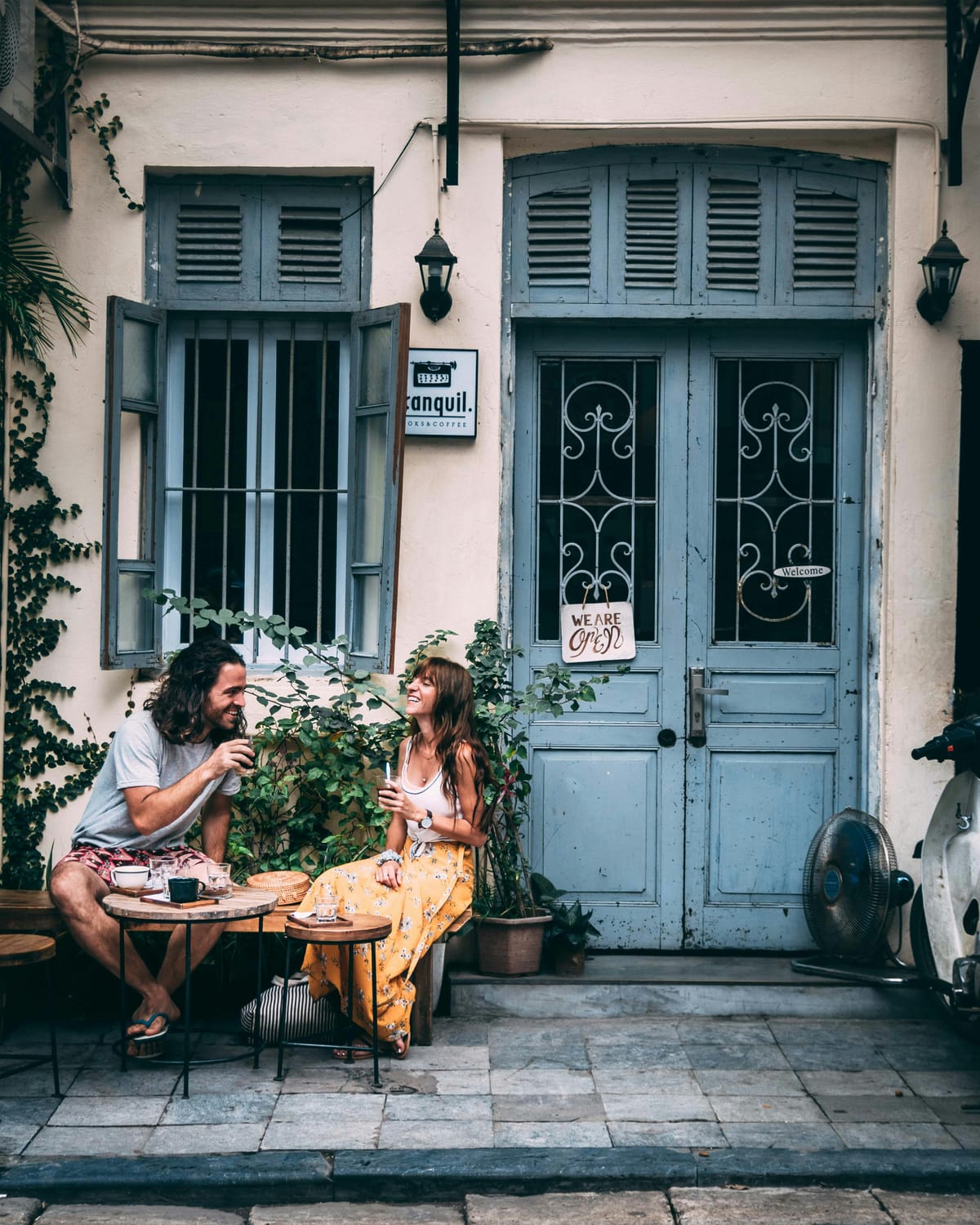
The beauty of the stay is that you stop being a spectator and start being a participant. Instead of seeing twenty landmarks, you connect deeply with three. You might get to know the park where the old men play chess or the corner café where the barista knows you like a café con leche with un poco of sugar. You might explore the local library where the architecture tells a story of centuries.
The Rise of the Stay: Data Trends You Should Know
I am clearly not alone in this craving for something deeper. We are seeing a global shift in how people approach their time and their travels. Whether it is for a family bonding trip or a deep work retreat, the world is slowing down.
The Slowcation Boom: A 2024 survey revealed that a staggering 81% of travelers were planning trips with the primary intention of slowing down and switching off. This is not just a trend. It is a wellness necessity.
The Rise of the American Nomad: As of 2025, approximately 18.1 million Americans identify as digital nomads. This is a massive increase. It shows that the location independent lifestyle is no longer a niche. It is the new mainstream.
The Demand for Authenticity: Research for 2025 highlights that 73% of global travelers now seek more authentic local experiences. They want to fully immerse themselves in a culture, especially when traveling with children.
The Medium-Term Stay: A Tool for Deep Work and Family Bonding
One of the biggest misconceptions about slow travel and longer stays is that it is only for retirees or backpackers. In reality, it is a secret weapon for high-performing professionals and families.
For Deep Work:
When you aren't rushing to catch the next flight, your brain has space to create. A stay of two weeks or more allows you to set up a home office in a sunlit apartment in a place like Valencia. You get the benefits of a new environment with new smells, sounds, and light. You get this without the stress of constant transition. This intellectual experience allows visitors to actively rethink modern life and the meaning of time.
For Family Bonding:
As a mom, I want my kids to know that life is for living. Research shows that travel as family leisure leads to increased bonding and improved communication. By staying in one place for 4 to 6 weeks, families move past the vacation phase and into the shared life phase. You solve problems together. You might learn how to use a Spanish washing machine or find the best park for a picnic. These experiences build resilience and trust.
The Undiscovered is Often Right in Front of You
My move to Spain wasn't just about the weather. It was about the community. In the United States, we are often so busy doing that we forget how to be. Here, the slow travel mindset is baked into the culture. It is in the sobremesa, which is the beautiful tradition of lingering at the table for an hour (or more!) after a meal just to talk. It is in the Paseo, the evening stroll where the entire city seems to come out to simply breathe together.
This is what cultural immersion looks like when you stop trying to see everything. It looks like discovery in the sense of finding new temporalities. It means finding new people who offer sensations of adventure in the everyday.
I didn't wait until retirement to do this because I’ve seen firsthand how quickly the someday can disappear. My experiences taught me that now is the only time we have. If you have the ability to build a location independent lifestyle, you should not wait.
How to Start Your Own Slow Journey
If the idea of a 15-city tour in 10 days makes you tired, you are ready for slow travel. Here is how to begin.
Pick one base: Instead of a country tour, pick one city or even one neighborhood for 2 to 4 weeks.
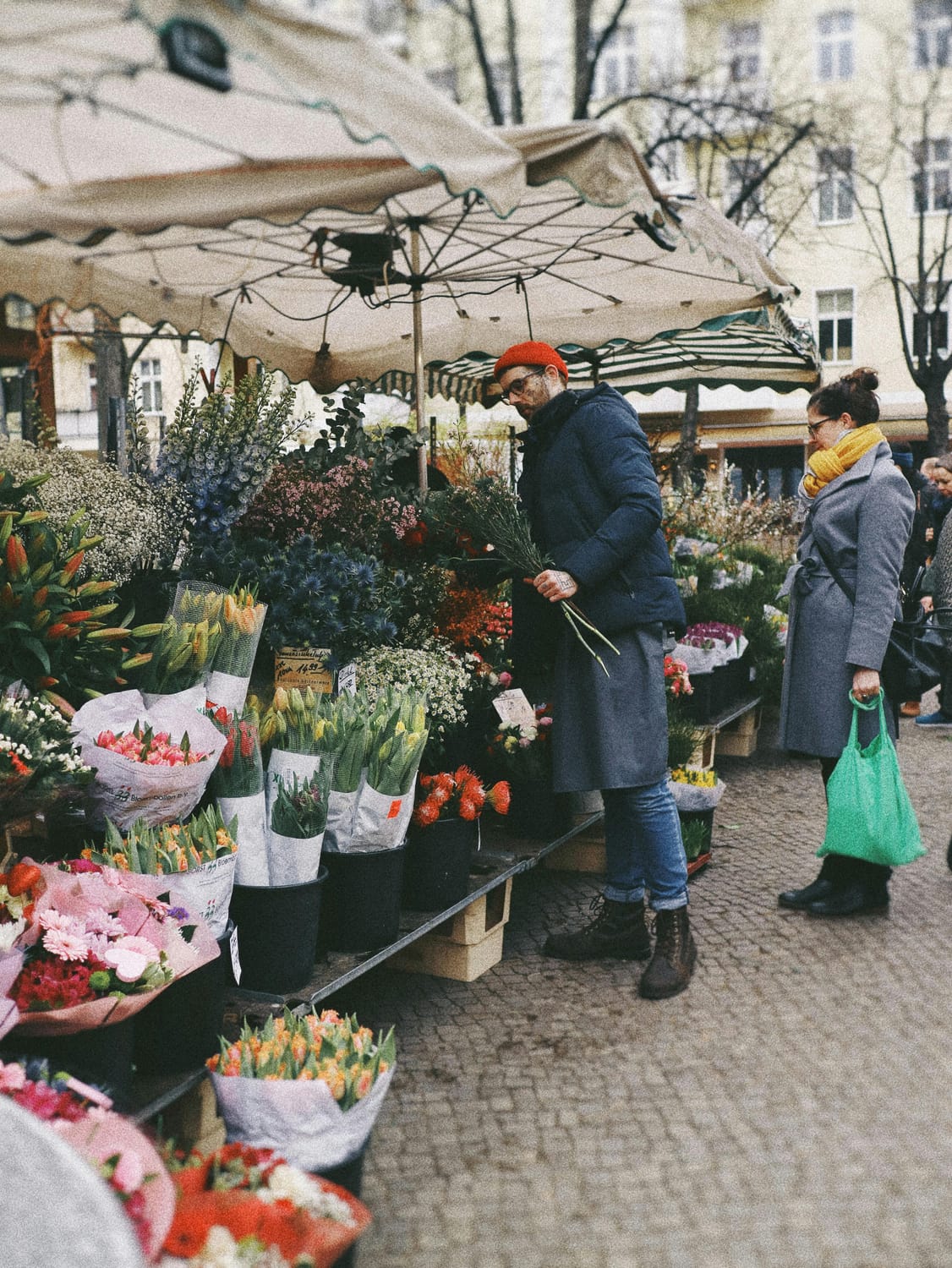
Live like a local: Shop at the neighborhood mercado, join a local gym, or find a regular coffee spot.
Ditch the itinerary: Leave at least three days a week completely blank. Let the city tell you what to do.
Prioritize quality over quantity: It is better to know one plaza intimately than twenty superficially.
A Final Thought for the Expat-Curious
The world is undiscovered until you take the time to look at it. Valencia has taught me that when you stop rushing to the next destination, you finally arrive exactly where you are supposed to be.
Slow travel isn't a luxury. It is a reclamation of your time.
Cultural immersion isn't a hobby. It is an education of the heart.
A location independent lifestyle isn't just about working from a beach. It is about having the freedom to be present for the moments that matter.
Are you ready to test drive slow travel and truly embrace cultural immersion? Let's talk about it. The oranges are in bloom, and the sobremesa is waiting.

Created with © systeme.io