
Is a Move Abroad Calling you?
Expore our resources and tools to help you make that dream a reality.
The Expat Morning: Finding Your Rhythm in a New Zip Code
When I first moved abroad, I assumed the hardest part would be the obvious stuff: paperwork, language barriers, finding an apartment, and figuring out where to buy groceries. Those things mattered, of course, but what surprised me most was how much my sense of place depended on my mornings. The way I started each day became a quiet anchor, a way to learn the neighborhood, understand the rhythm of life, and slowly feel less like a visitor and more like someone who belonged.
For me, the expat morning was never about productivity in the traditional sense. It was about orientation. It was about stepping outside before the day fully got going and paying attention to what was happening around me. It was about learning that settling into a new country doesn’t happen all at once. It happens in small, repeated moments.
Why mornings mattered
There is something grounding about the first hour of the day, especially when everything around you feels unfamiliar. A morning routine gave me structure when the rest of life felt open-ended. It helped me begin the day with intention instead of overwhelm.
That mattered more than I expected, because living abroad can make even simple decisions feel bigger than they used to. A healthy routine does not need to be complicated to be effective. Small, repeatable habits can help create steadiness when you are navigating a new environment.
Getting outside first
One of the best things I did was get outside first thing in the morning. Before checking messages or checking in with the US, I would walk out into the neighborhood and see what it was up to. That simple habit gave me a real sense of place.
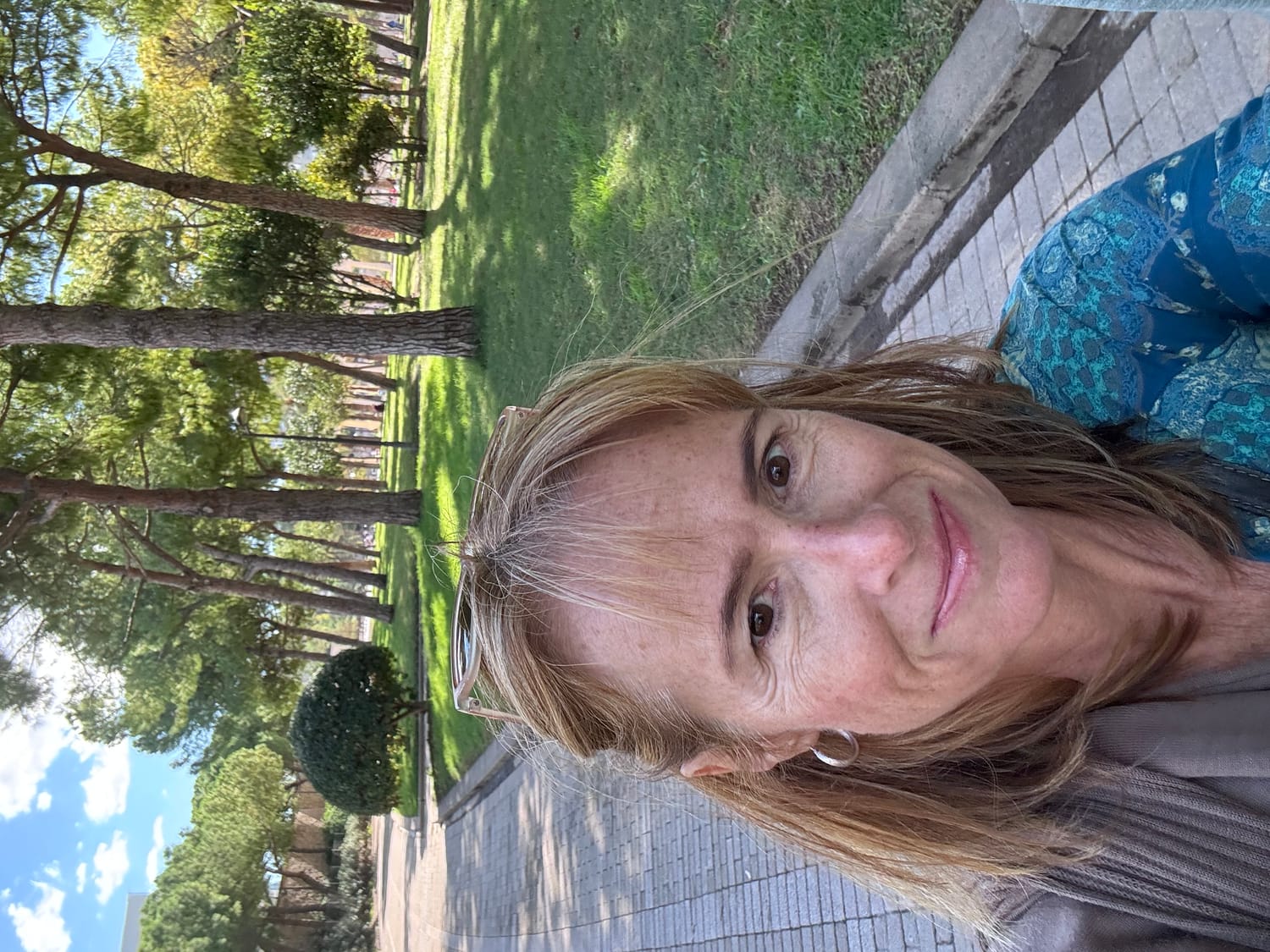
My favorite version of this routine was a walk down to the park. I liked the combination of movement and observation. On the way, I would listen to Spanish lessons, which turned the walk into both a physical and mental warm-up. It was a small thing, but it helped me start to assimilate. I was not only learning the language; I was also learning how life moved around me.
Learning the local rhythm
In Spain, daily life runs on a rhythm that can surprise newcomers. Shops often open around 10 a.m., close in the afternoon, and reopen later in the day. Restaurants may serve lunch, close, and then open again for dinner much later than you might expect.
If you walk around on your own schedule instead of the local one, you can miss the real life of a place. At first, that felt confusing. But eventually I understood that the shutters and closed storefronts were not a sign that nothing was there. They were part of the rhythm itself.
A routine that helped me settle
Looking back, my expat morning routine was simple. I got outside early. I walked. I listened to Spanish lessons. I chose one area to explore. I paid attention to when things opened and when they closed.
None of that sounds dramatic, but together those habits gave me a sense of direction when so much else was changing. That is what routines do when they are working well. They do not erase uncertainty, but they give it shape.
I thought I was just building a routine. In the end, I was building a relationship with place.
FAQs
What is an expat morning routine?
An expat morning routine is a set of habits that help you start the day with structure while adjusting to life abroad. For some people, that may mean walking, journaling, exercising, or learning the local language.
Why is a morning routine important when living abroad?
A morning routine helps create stability during a period of change. When everything feels unfamiliar, having a predictable start to the day can reduce overwhelm and help you settle into a new country more easily.
How can I adjust to life abroad more quickly?
One of the best ways to adjust to life abroad is to pay attention to local rhythms instead of trying to force your own schedule onto the place. Learning when shops open, when restaurants serve meals, and how neighborhoods change throughout the day can help you feel more connected.
How do I build a morning routine abroad?
Start small. Get outside first thing, notice your surroundings, and add one habit that helps you feel grounded. That could be a walk, coffee, reading, language practice, or planning one area you want to explore that day.
Why did you listen to Spanish lessons during your walk?
Listening to Spanish lessons during my morning walk helped me combine movement with learning. It made the routine feel useful and gave me a simple way to start assimilating into daily life in Spain.
What does it mean to explore a neighborhood by local schedules?
It means planning your time around how the place actually operates. In Spain, for example, many stores close in the afternoon and open again later, so exploring at the right time helps you experience the neighborhood as locals do.
How do shutters and closed storefronts affect the experience?
At first, shutters can make a street feel closed off or hard to read. But once you learn the schedule behind them, you realize they are part of the local rhythm. They remind you that a neighborhood has its own timing and pace.
Closing thought
The expat morning became my way of learning how to belong. It started with a walk to the park and Spanish lessons in my ears. It continued with intentional exploration and a willingness to follow local schedules instead of my own assumptions. Over time, those small choices added up and helped me find my rhythm in a new zip code.

Created with © systeme.io